A healthy smile is about more than just strong teeth. It’s also a key part of feeling confident in your everyday life. But what if your teeth are chipped, uneven, discolored, or have noticeable gaps?
That’s where dental veneers come in.
Veneers are a popular cosmetic dentistry option that can transform the appearance of your smile by correcting minor imperfections. If you’ve ever wished your teeth looked smoother, whiter, or more even, veneers might be the solution you’ve been looking for.
In this blog, we’ll explain how veneers work, what types of issues they can fix, and what to expect if you’re considering them as part of your smile makeover.
What Are Dental Veneers?
Dental veneers are thin shells of porcelain or composite resin that are bonded to the front surfaces of your teeth. They are custom-made to match the shape, size, and color of your natural teeth, providing a seamless and natural-looking result.
Veneers are primarily used for cosmetic purposes, but they can also strengthen and protect the teeth they cover. With proper care, veneers can last for 10 to 15 years or more, making them a durable and long-lasting solution for many patients.
Common Smile Issues Veneers Can Correct
- 1. Chipped or Worn Teeth
- Small chips or areas of wear can affect the symmetry and overall look of your smile. Veneers cover these imperfections and restore a smooth and even appearance.
- 2. Gaps Between Teeth
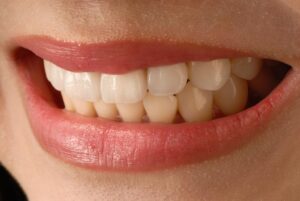
- If you have small gaps between your front teeth (a condition called diastema), veneers can be shaped slightly wider to close those spaces without the need for orthodontics.
- 3. Discoloration and Stains
- Some stains, especially those caused by trauma, medications, or enamel erosion, do not respond well to teeth whitening treatments. Veneers offer a permanent solution by covering deep discoloration with a bright, natural-looking surface.
- 4. Uneven or Misshapen Teeth
- Teeth that are slightly crooked, misshapen, or different lengths can be reshaped with veneers to create a more uniform, balanced smile.
- 5. Minor Alignment Issues
- While veneers do not replace orthodontic treatment, they can visually correct mild alignment issues by masking imperfections and giving the appearance of straighter teeth.
- While veneers do not replace orthodontic treatment, they can visually correct mild alignment issues by masking imperfections and giving the appearance of straighter teeth.
Porcelain vs. Composite Veneers: What’s the Difference?
There are two main types of veneers, each with its own benefits.
- Porcelain Veneers
- More stain-resistant and durable
- Custom-made in a dental lab for precise fit and natural appearance
- Typically last longer (10 to 15 years or more)
- Require a small amount of enamel removal before placement
- Composite Veneers
- Made from tooth-colored resin applied directly to the tooth
- Completed in a single appointment
- More affordable upfront
- May need more frequent maintenance or replacement (5 to 7 years lifespan)
Your dentist can help you decide which type of veneer is best for your needs, goals, and budget.
The Veneer Placement Process
Getting dental veneers usually involves two to three visits.
- Step 1: Consultation and Evaluation
- Your dentist will examine your teeth, take X-rays or digital scans, and discuss your goals. This is the time to ask questions, review shade options, and make sure veneers are the right treatment for you.
- Step 2: Tooth Preparation
- For porcelain veneers, a thin layer of enamel is gently removed to make space for the veneer. Impressions are taken and sent to a lab for fabrication. Temporary veneers may be placed in the meantime.
- Composite veneers, on the other hand, can often be applied in a single visit without enamel removal.
- Step 3: Veneer Placement
- Once your custom veneers are ready, your dentist checks their fit and appearance. After any final adjustments, they are permanently bonded to your teeth using a strong dental adhesive.
How to Care for Veneers
Veneers are strong, but they still require proper care to stay in great shape.
- Brush and floss daily just as you would with natural teeth
- Avoid biting hard objects like ice, pens, or fingernails
- Wear a nightguard if you grind your teeth
- Limit staining foods and beverages like coffee, red wine, and berries
- Visit your dentist regularly for cleanings and checkups
With good oral hygiene and healthy habits, your veneers can maintain their appearance and function for many years.
Are Veneers Right for You?
Veneers are a great option for patients who:
- Have healthy teeth and gums
- Want to improve the appearance of their front teeth
- Are looking for a long-term cosmetic solution
- Have minor aesthetic concerns like chips, gaps, or discoloration
However, they may not be the best choice if you have active tooth decay, untreated gum disease, or a tendency to grind or clench your teeth without a protective nightguard. Your dentist will help evaluate these factors during your consultation.
Expert Veneer Care in Columbus, OH
If you’re considering veneers to enhance your smile, working with an experienced dental team is key. At Postle Dental Group in Columbus, OH, we specialize in natural-looking cosmetic solutions that match your goals and protect your oral health.
Whether you are fixing one chipped tooth or refreshing your entire smile, our team can guide you through every step of the process with care, precision, and expertise.
Contact Pearl Dental Group today to schedule your consultation.