 Good gum health is the foundation of a confident smile and long-term oral wellness. Many people focus on keeping their teeth clean but overlook the importance of healthy gums. In this guide, you’ll learn how to improve gum health with three easy, science-backed strategies you can start today.
What Are the Main Risk Factors for Gum Disease?
Understanding your risk factors is the first step to preventing gum disease and maintaining healthy gums.
- Uncontrollable risk factors: Genetics, pregnancy, and naturally crooked teeth can increase your risk.
- Controllable risk factors: Smoking, chewing tobacco, and poor oral hygiene are major contributors to gum problems.
Did you know? According to the CDC, nearly half of adults over 30 show signs of gum disease. Addressing risk factors early can help you avoid future dental issues.
What Are the Warning Signs of Poor Gum Health?
Recognizing the early signs of gum disease can help you take action before problems worsen.
Common symptoms include:
- Gums that bleed easily when brushing or flossing
- Gums that appear red, swollen, or tender
- Gums pulling away from the teeth (recession)
- Persistent bad breath
- Changes in how your teeth fit together or dentures fit
If you notice any of these signs, schedule a dental checkup promptly. Early intervention is key to reversing gum problems.
What Diet and Habits Support Healthy Gums?
Your daily choices play a big role in gum health.
Best practices for oral hygiene and gum care include:
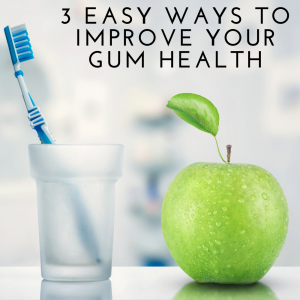
- Eat a balanced diet: Crunchy fruits and vegetables like apples and leafy greens help clean your teeth and stimulate your gums.
- Add natural anti-inflammatories: Ginger root and raw onions have properties that fight bacteria and reduce inflammation.
- Limit sugary snacks: Enjoy sweets in moderation and rinse your mouth with water afterward.
- Brush and floss daily: Use a soft-bristled toothbrush and fluoride toothpaste. Flossing removes plaque from areas your brush can’t reach.
Pro tip: A daily gum care routine that includes brushing, flossing, and a healthy diet is the best way to prevent gum disease.
Frequently Asked Questions
Q: How often should I visit the dentist for gum health?
A: Most adults should see a dentist every six months for a cleaning and checkup. If you have risk factors for gum disease, your dentist may recommend more frequent visits.
Q: Can gum disease be reversed?
A: In its early stage (gingivitis), gum disease can often be reversed with improved oral hygiene and professional cleanings. Advanced gum disease (periodontitis) requires more intensive treatment.
Q: What foods are best for healthy gums?
A: Foods high in fiber, vitamin C, and antioxidants, like leafy greens, apples, and citrus fruits, support gum health. Avoid sticky, sugary snacks that feed harmful bacteria.
Q: What is the best daily gum care routine?
A: Brush twice a day, floss once daily, and use an antimicrobial mouthwash. Eat a balanced diet and avoid tobacco products.
Why Choose Postle Dental Group for Your Gum Care?
At Postle Dental Group, we partner with you to provide top-notch dental services for your whole family. If you’re concerned about your gum health or want personalized tips for healthy gums, contact us today to schedule an appointment.